Reliable Water Heater Services: Keep Your Showers Hot and Enjoyable
Dependable water heater services are crucial in providing consistent hot water for daily routines. Regular maintenance can improve performance and extend the appliance's life. Nevertheless, many property owners miss indicators of a need for maintenance. Recognizing these indicators and the importance of professional care can prevent unexpected issues. What are the common signs that your water heater might need attention?
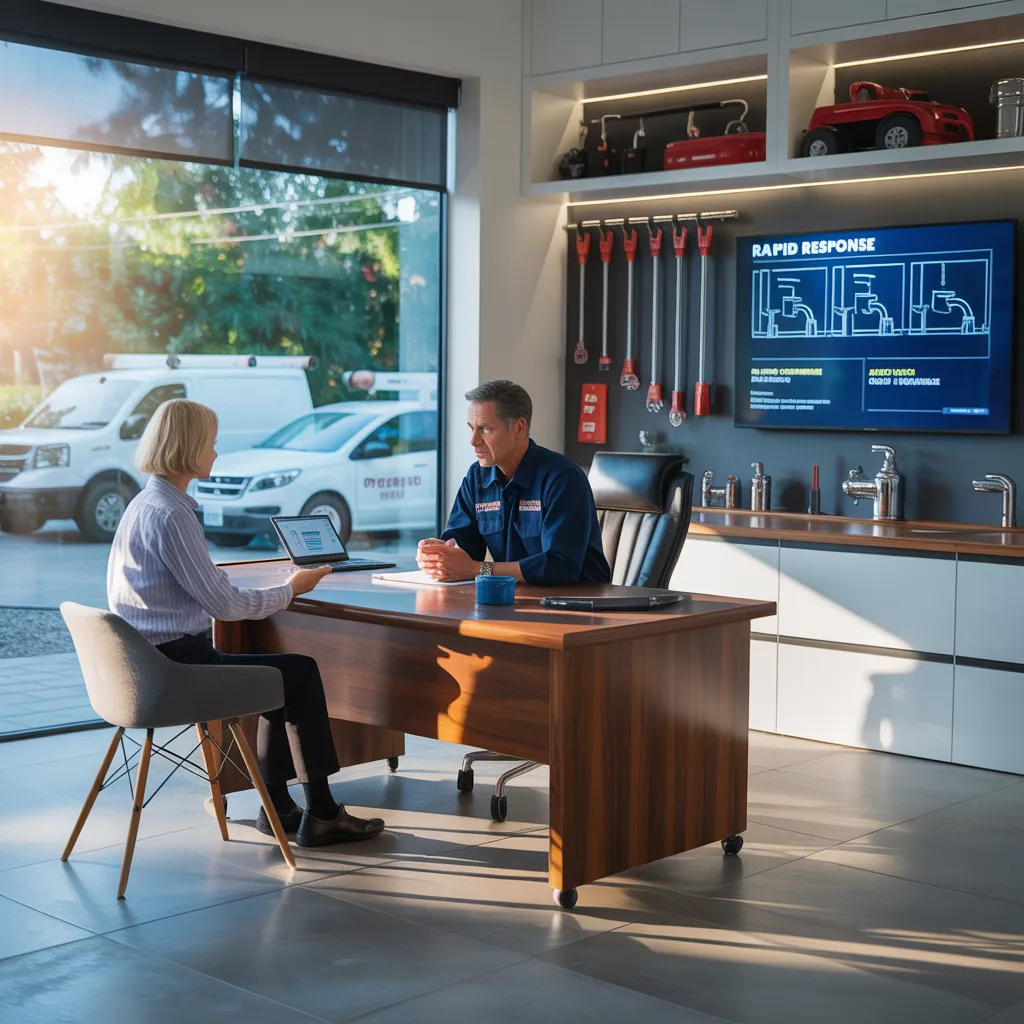
Typical Symptoms Your Water Heater Needs Service
Water heaters often reveal subtle clues when they require fixing. One common sign is inconsistent water temperature; when users observe fluctuations from hot to cold, it may indicate a malfunctioning thermostat or heating element. In addition, unusual noises, such as clicking or rumbling, can indicate sediment buildup, which reduces efficiency. Leaks around the unit also demand attention, as they may suggest loose connections or internal tank issues. Moreover, discolored water or an unpleasant odor can signal rust or corrosion, compromising the water quality. Finally, if the heater fails to provide adequate hot water for daily needs, it may be time for a professional assessment. Recognizing these signs early can prevent more significant issues and guarantee reliable hot water availability. By monitoring these indicators, homeowners can maintain the efficiency and longevity of their water heating systems.
Why Consistent Care Keeps Your Water Heater in Good Condition
Routine care is important for guaranteeing optimal performance of a water heater. It improves energy efficiency, extends the appliance's lifespan, and helps identify potential issues before they worsen. By focusing on maintenance, homeowners can keep their water heaters in excellent condition.
Improved Energy Performance
The maintenance of a hot water unit is vital for enhancing its energy effectiveness over time. Routine maintenance tasks, such as cleaning the tank and copyrightining heating components, assist in ensuring peak performance. Sediment buildup can impair heating efficiency, leading to more energy consumption to reach set temperatures. By tackling these issues promptly, homeowners can reduce energy use and cut down on utility bills. Additionally, verifying thermostat settings and ensuring adequate pipe insulation can boost efficiency. Technicians can detect and repair minor problems before they worsen, ensuring the water heater runs efficiently. This proactive strategy not only conserves energy but also supports a more sustainable household, reflecting the growing focus on environmental responsibility.
Extended Device Longevity
A properly maintained water heater not only enhances energy efficiency but also substantially extends its lifespan. Routine upkeep activities, such as flushing the tank to eliminate sediment buildup and inspecting the anode rod, help avoid corrosion and scale accumulation. This proactive approach guarantees that the appliance operates smoothly, minimizing wear and tear on its components. Moreover, routine inspections can identify potential issues before they escalate, allowing for timely repairs that extend the unit's longevity. By investing in consistent maintenance, homeowners can enjoy consistent hot water and avoid the costly replacement of their water heaters. Ultimately, a commitment to maintenance translates to dependable performance and a longer, more efficient lifespan for the appliance.
Preventative Issue Detection
Taking a proactive approach to maintenance is important for identifying potential water heater problems before they escalate into major issues. Routine inspections enable technicians to spot early signs of deterioration, such as sediment buildup, corrosion, or malfunctioning parts. Promptly addressing these matters can avoid expensive repairs and prolong the unit's lifespan. Consistent upkeep ensures optimal efficiency, cutting down on energy bills and improving performance. Scheduling yearly check-ups helps homeowners ensure steady access to hot water, providing comfort throughout their daily activities. Moreover, this preventative strategy offers peace of mind, knowing the water heater functions safely and reliably. In the end, regular maintenance is a wise investment in dependability and lasting satisfaction for any home.
Professional Services: Ensuring Your Water Heater Functions at Peak Efficiency
While many homeowners may neglect the importance of regular maintenance, expert assistance play a vital role in guaranteeing a water heater's efficiency. Specialists possess the expertise to perform thorough inspections, finding issues that may go undetected by non-experts. They check essential components, such as thermostats, heating elements, and sediment buildup, which can greatly impact functionality.
Regular upkeep, such as flushing the tank and inspecting connections, prevents possible failures and extends the lifespan of the system. Additionally, professionals can recalibrate settings for maximum performance, ensuring that the water heater runs at peak efficiency.
Choosing the Right Hot Water System for Your Home
Which strategy allows property owners to guarantee they select the most ideal water heater for their needs? The approach commences with understanding oneself with the diverse types available, including tankless, storage, and heat pump water heaters. Each type presents unique advantages; for copyrightple, tankless models provide instant hot water, while storage heaters furnish a consistent flow.
Property owners should also evaluate their family size and water heating needs. More populous families may need a high-capacity tank, while smaller families might take advantage of the efficiency of a tankless system. Additionally, energy efficiency ratings prove important in sustained money savings. Property owners should look for models with ENERGY STAR certifications.
Lastly, evaluating fuel types—gas, electric, or solar—can greatly impact installation and running costs. Speaking to plumbing professionals can offer further insights, ensuring homeowners make informed decisions tailored to their specific needs and preferences.
Homemade Strategies for Basic Troubleshooting
When confronted with water heater problems, a few basic diagnostic procedures can often lead to quick fixes. Checking the power supply is crucial, as a minor electrical problem may be the culprit. Furthermore, copyrightining the temperature settings can help guarantee the heater functions within the desired range.
Check your Power Supply
Verifying the power supply is a key initial step when diagnosing water heater issues. A water heater might not work if it does not receive enough power. First, ensure that the unit is plugged in and that the circuit breaker has not tripped. If the breaker is tripped, a reset may bring back power. Checking for blown fuses is also necessary; replacing any blown fuses can fix power issues. Moreover, inspecting for unstable electrical connections can help. If the water heater runs on gas, confirming that the gas supply is on and active is essential. By methodically assessing these parts, one can effectively address basic power supply problems before calling a professional.
Review Thermal Parameters
A fast inspection of the temperature adjustments can often show the origin of water heater problems. Many homeowners miss this basic step, yet it is crucial for best performance. Water heaters generally work best at a temperature between 120°F and 140°F. If the setting is too low, it may lead to moderately warm showers, while too high settings may create scalding hazards. Setting the thermostat is simple; most units feature a dial or digital interface for convenient changes. It is advisable to check the temperature with a thermometer to confirm accuracy. If changing the settings does not resolve the issue, further copyrightination might be necessary, potentially involving expert assistance. Regular checks can help maintain an well-functioning and safe water heater.
What Will Take Place During Your Water Heater Service Visit
Although many homeowners may harbor doubt about what to expect during a water heater inspection visit, knowing the methodology can relieve concerns. Typically, a trained technician will come at the scheduled time, outfitted with the needed tools and parts. Upon arrival, they will inspect the unit's condition, reviewing for leaks, corrosion, and other potential issues.
The technician will also evaluate the thermal controls and confirm the heater is operating at full capacity. In the event that service is required, the technician will clarify the issues and furnish a itemized quote before starting work. Clients should anticipate open communication during the visit, taking care of any doubts or apprehensions.
At the conclusion of the engagement, the technician will impart operational guidance to help strengthen the appliance's capability and fuel efficiency. To summarize, a reputable water heater service visit aims to assure trustworthy performance, ensuring homeowners comfort about their hot water supply.
How to Extend Your Water Heater's Lifespan
To increase a water heater's lifespan, preventive maintenance and attention to detail are essential. Regular inspections are vital, allowing homeowners to identify potential difficulties before they escalate. Flushing the tank annually cleans out sediment buildup that can impair efficiency and lead to corrosion. Additionally, checking the anode rod every few years secures protection against rust, as its deterioration signals the need for replacement.
Also, preserving the more information correct temperature adjustments, usually around 120°F, improves both protection and energy efficiency. Protecting the tank and pipes decreases heat loss, additionally contributing to durability. Homeowners should also be conscious of the water quality; hard water can notably diminish a water heater's life span.
In conclusion, arranging professional maintenance every few years can offer critical information into the unit's condition, guaranteeing it operates at peak performance. By following these steps, homeowners can maximize their water heater's efficiency and longevity, resulting in reliable, satisfying hot water.
Regular Questions That Come Up
How Can I Identify if My Water Heater Is Energy Efficient?
To establish if a water heater is energy efficient, one should copyrightine its Energy Factor (EF) rating, compare operating costs, evaluate the insulation quality, and assess whether it meets current energy standards for peak performance.
Which Common Water Heater Brands Exist and How Reliable Are They?
Top water heater brands comprise Rheem, A.O. Smith, and Bradford White. Generally, Rheem and A.O. Smith are valued for strength, while Bradford White garners praise for reliability. Consumer testimonials frequently underline their efficiency and longevity.
What sustainable water heater choices are accessible?
Yes, sustainable water heater options are available, comprising solar water heaters, heat pump systems, and tankless models. These alternatives encourage energy efficiency, decrease carbon footprints, and can lower utility costs over time, serving both users and the environment.
How Regularly Should I Change out My Water Heater?
Experts typically recommend replacing a water heater every 8 to 12 years, based on the model and care. Routine copyrightinations can help determine its efficiency and functionality, making sure appropriate changing when necessary.
What Safeguards or Assurances Should I Evaluate?
When opting for a water heater, people should seek warranties that encompass parts and labor for at least five to ten years, as well as guarantees on performance and installation to ensure long-lasting contentment and trustworthiness.
Comments on “Reliable Saint Michael Water Purification Systems for Better-Tasting Water”